![[object Object]](https://res.cloudinary.com/dlwdq84ig/image/upload/w_3840,q_auto,c_scale/x1qgcm5jcooqwptm0kbq)



Batting Helmet Sizing Guide
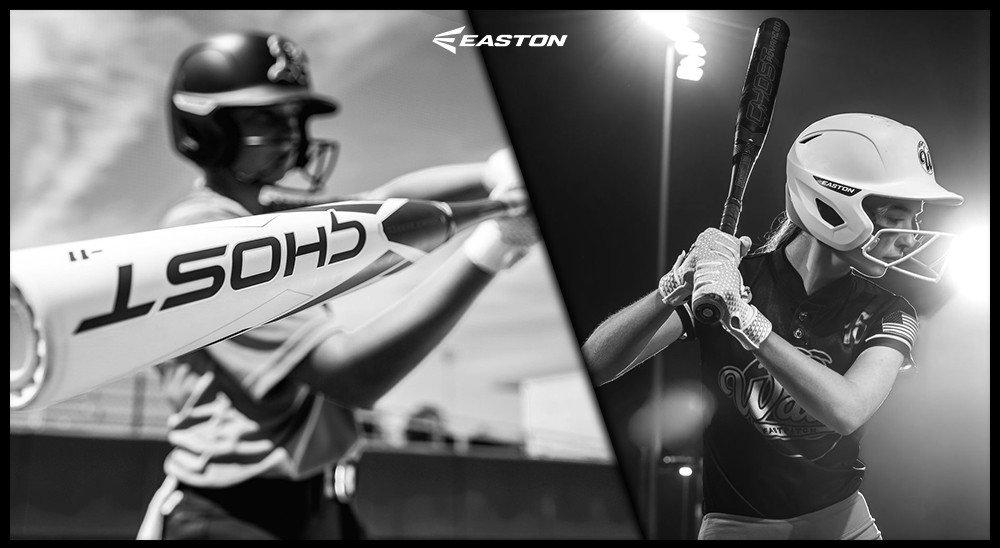
When it comes to playing softball or baseball, having the right protective gear is important. One must-have piece of equipment is a batting helmet. A well-fitted and high-quality batting helmet can make a difference when you step up to the plate. Our Experts explain what to look for in a batting helmet, how to properly measure your head, and offer general sizing guidelines so you can find the perfect one for the upcoming season!
NOCSAE Batting Helmet Standards
It’s always a good idea to review your league’s requirements and look for batting helmets that “Meet NOCSAE Standard.” The NOCSAE (National Operating Committee on Standards for Athletic Equipment) researches and tests sports equipment so players can feel confident they’ll stay safe. The NOCSAE offers two guidelines when it comes to batting helmet certification—head protection and face protection.
Batting helmets with cheek flaps or the ability to add these accessories can pass the standard for head protection but do not meet the standard for face protection. To meet the requirements for face protection, the guard must protect the entire face including eyes, nose, and mouth.
Types of Batting Helmets
There are three types of batting helmets to choose from depending on your preferences and league requirements: open-face, caged or extended jaw, and fastpitch.
These are your traditional batting helmets. They are designed to protect the head from pitches all while keeping your line of sight completely open. These are great for little league players or games with slower pitch speeds.
Some batting helmets feature a cage or extended jaw piece to provide more protection, especially in games with fast pitch speeds.
If you're a softball player, you'll likely wear a fastpitch-specific helmet to meet league requirements. These batting helmets feature an attached cage and are made from ABS plastic to provide reliable protection upon impact.
How to Measure for a Batting Helmet
Before jumping into batting helmet size charts, it's important to take accurate measurements. This will ensure that you get a properly-fitting batting helmet from the start. Our Experts recommend these steps:
-
Find a flexible measuring tape
-
Starting about two to three inches above the eyebrows, wrap the measuring tape around the head. Make sure that the measuring tape lays flat and even and that it rests evenly above the top of each ear.
-
Once the two ends come together, write down the measurement in both centimeters and inches.
-
Repeat at least one more time to make sure you've accurately measured.
-
Keep the final measurement handy so you can reference it when looking at batting helmet size charts provided by each brand.
Batting Helmet Size Chart
Most batting helmets follow a similar size guide and fit, but with a wide variety of different brands available, each explains its sizing a bit differently. Below is a guideline of the terms you may see when looking at size charts:
-
Youth Batting Helmet Sizing: The age for youth batting helmets ranges from 4 to around 7 or 8 years old, depending on the circumference of the player’s head.
-
Junior Batting Helmet Sizing: The age for junior batting helmets ranges from 8 to 12 years old, depending on the circumference of the player’s head.
-
Senior Batting Helmet Sizing: The ages for senior batting helmets range from 12 years and up.
-
Head Circumference: This is typically provided in both inches and centimeters.
-
Traditional Sizing: Small (S), Medium (M), Large (L), Extra Large (XL).
-
Hat/Helmet Size: This is determined by taking your head circumference and dividing by 3.14. Then, rounding to the nearest 1/8.
Below is a generic batting helmet size chart, but it's important to check the details of each helmet to make sure you find the right size.
| Size | Hat Size | Head Circumference (in.) | Head Circumference (cm) |
|---|---|---|---|
| Extra Small (XS) | > 6 ⅝ | > 20 ¾” | > 53 |
| Small (S) | 6 ⅝ — 6 ¾ | 20 ¾” — 21 ¼” | 53 — 54 |
| Medium (M) | 6 ⅞ — 7 | 21 ½” — 22” | 55 — 56 |
| Large (L) | 7 ⅛ — 7 ¼ | 22 ¼” — 22 ¾” | 57 — 58 |
| Extra Large (XL) | 7 ⅜ — 7 ¾ | 23” — 23 ½” | 59 — 60 |
When prepping for the upcoming season, don’t forget to add a well-fitting batting helmet to your equipment list. If you have additional questions about choosing the right batting helmet, stop into your local SCHEELS to speak with our Experts!