![[object Object]](https://res.cloudinary.com/dlwdq84ig/image/upload/w_3840,q_auto,c_scale/x1qgcm5jcooqwptm0kbq)



How to Choose a Stand Up Paddle Board
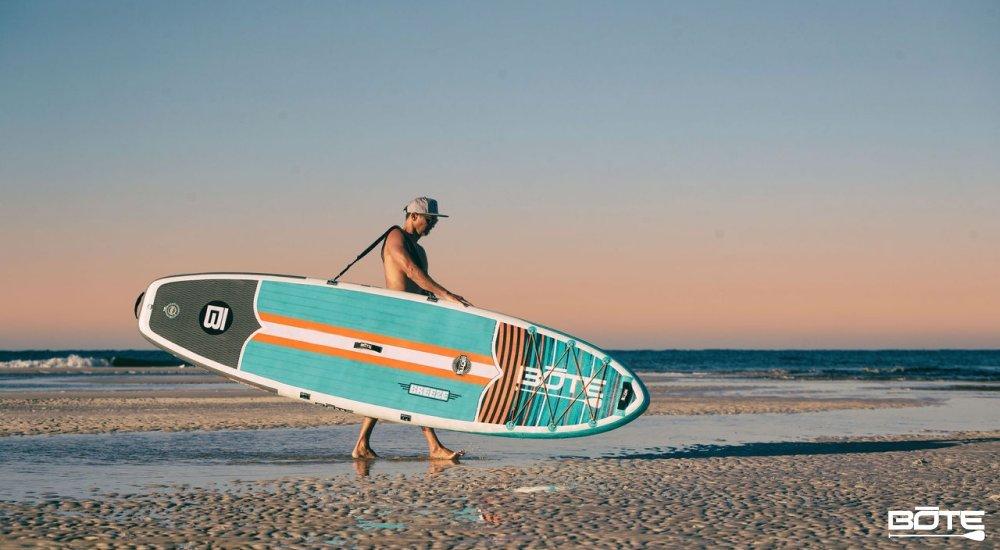
From a relaxing cruise around the lake to a solid workout, a stand up paddle board—or SUP—is a great way to spend time on the water. There are a few factors to consider when choosing a paddle board, including a solid vs. inflatable board, the board’s size and shape, and the paddle. Whether you’re interested in paddle boarding for the first time or already paddle regularly, learn everything you need to choose the right paddle board for you.
Step #1: Choose Your Paddle Board Type
There are two options you have when choosing a SUP board: inflatable or solid stand up paddle board.
Solid Paddle Boards
Solid paddle boards are the traditional style of board and are available in a variety of hull styles and sizes. If you paddle board regularly, a solid board is a better option since you'll have more styles and sizes to choose from to suit your preferred SUP activities.
Inflatable Paddle Boards
Inflatable paddle boards, also called iSUPs, can be deflated and rolled for easy transport and storage, even if you have limited space. If you’re just starting out or only paddle board occasionally, an inflatable SUP board is a great option.
Step #2: Choose Your Paddle Board Size
Once you’ve decided on the right type of paddle board, it’s time to choose the best length for you. Generally, longer paddle boards are harder to steer but cut through the water more easily, while shorter boards can quickly maneuver.
Short SUP Boards:
-
Length: 10 feet or less
-
Ideal for kids because they require less strength to paddle
Medium SUP Boards:
-
Length: 10 to 12 feet
-
Ideal for casual paddle boarding, yoga, or relaxing on the water
Long SUP Boards:
-
Length: 12 to 14 feet
-
Suited to racing or long paddling sessions.
The length of a SUP often goes hand-in-hand with its width. Short boards are generally wider and more stable, making them best for casual rides or SUP yoga. Longer boards are narrower and designed to streamline through the water—a must during long trips or SUP workouts.
#3: Choose Your Paddle Board Hull
Just like a boat, a SUP board’s hull refers to its shape and influences how it moves through the water. If the style of hull isn’t listed, you can determine the shape of the SUP by looking at its nose (the frontmost point of the board). A rounded, more u-shaped nose is common on planing hulls, while a v-shaped or pointed nose is usually found on displacement hulls.
Planing Hulls
Planing hulls have a wider, flatter shape and closely resemble a surfboard. This hull shape makes the SUP more stable and easier to steer, especially for beginners. If you’re new to SUPs or paddle only occasionally, a board with a planing hull is a great option.
Displacement Hulls
Displacement hulls are designed to slice through the water and have a narrower, more streamlined body. The body of a SUP with a displacement hull resembles a kayak or canoe and has a pointed nose and narrow bottom. While they’re less stable, this style of SUP moves forward more efficiently, meaning you can move faster with less effort. Displacement hulls are a great option if you SUP for long distances at a time, paddle board for your workout, or are interested in SUP racing.
How to Choose a Stand-Up Paddle (SUP) Paddle
The paddle is one of the most important pieces of equipment for stand-up paddleboarding. Choosing the right paddle can make your rides more comfortable, efficient, and enjoyable.
Finding the Right SUP Paddle Length
A simple way to check your paddle length:
-
Hold the paddle in front of you with the grip resting on the ground.
-
The point where the blade meets the shaft should be at or slightly above your eye level.
As you gain experience, you may find that a slightly longer or shorter paddle improves your comfort and performance. Adjustable paddles are ideal for beginners or shared boards, as they let you fine-tune the length for each rider.
SUP Paddle Blade Size
While paddle length is the most important factor, advanced riders may also consider blade size. The blade is the flat part of the paddle that moves through the water. Blade sizes generally fall into three ranges:
| Size | Surface Area |
|---|---|
| Small | 80-90 sq. in. |
| Medium | 90-100 sq. in. |
| Large | 100-120 sq. in. |
-
Large blades displace more water, allowing faster acceleration with fewer strokes, but require more strength and energy. Ideal for speed-focused or upper-body workouts.
-
Medium and small blades provide easier, more comfortable paddling for casual rides or longer excursions.
Choosing the right paddle length and blade size ensures a more enjoyable SUP experience, whether you’re cruising on calm waters or working on performance techniques.
From casual tours around the lake to SUP yoga and workouts, having a stand up paddle board geared toward the activities you enjoy will help you make the most of your time on the water. If you’re new to SUP and want some more information to get you started on your SUP board, check out our guide to paddle boarding for beginners. Plus, be sure to stop by your local SCHEELS and get personalized advice from our Water Sports Experts!