![[object Object]](https://res.cloudinary.com/dlwdq84ig/image/upload/w_3840,q_auto,c_scale/x1qgcm5jcooqwptm0kbq)



Types of Bow Releases—A Beginner's Guide
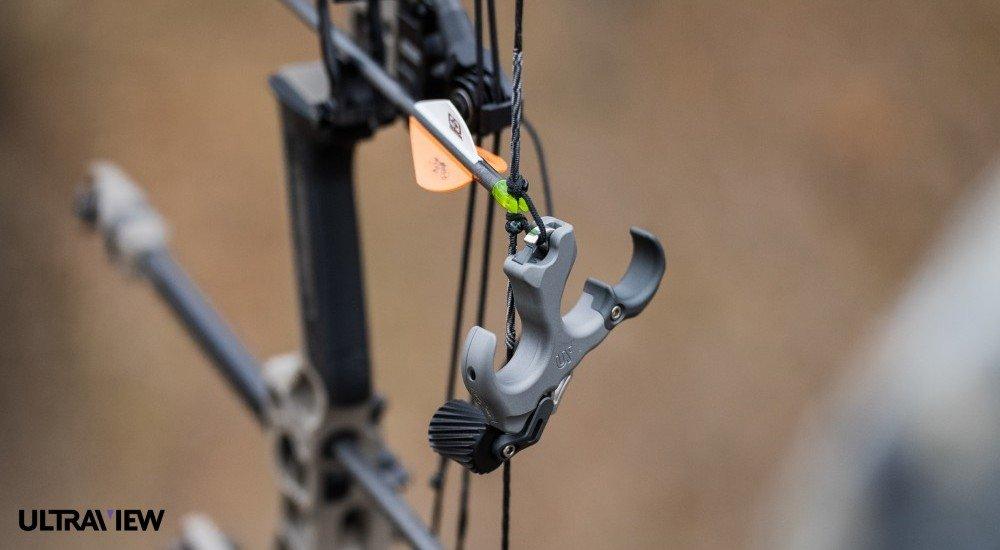
Choosing the right bow release is one of the most important decisions for improving your accuracy in archery hunting or target shooting. A bow release is a device that helps you release the bowstring with smooth, consistent motion, reducing torque and improving control. Our Archery Experts highlight the two main types are wrist releases and handheld releases—explaining their benefits to help you find the right one for your shooting style.
Wrist Releases
A wrist release is strapped around your wrist and activated with a trigger, making it a popular and beginner-friendly option that’s always ready to use. There are a few types of wrist releases, but the most common type you’ll see is an index finger trigger release.
Index Finger Release
With this type of release, you’ll attach the strap around your wrist and use your index finger to activate the trigger—similar to pulling a firearm trigger.
Benefits:
-
Intuitive and beginner-friendly
-
Always strapped to your wrist, so it’s hard to lose or forget
-
Quick and convenient for hunting scenarios
Drawbacks:
-
More prone to target panic (punching the trigger)
-
Less precise than handheld releases for some archers
Handheld Releases
A handheld release is held in your hand instead of strapped to your wrist. These releases typically use your thumb or back tension to activate the shot. They offer more precision and control but require more practice than wrist releases. There are two main types of handheld releases—thumb (button) and hinge (back tension).
Thumb (Button) Release
With a thumb release, you hold the device in your hand and use your thumb to press a trigger that releases the bowstring.
Benefits:
-
Provides smooth and controlled shots
-
Helps reduce target panic compared to index finger releases
-
Adjustable settings for a custom feel
Drawbacks:
-
Requires more practice to master than wrist releases
-
Easier to misplace since it’s not strapped to you
-
Higher price point compared to basic wrist releases
Hinge (Back Tension) Release
A hinge release doesn’t use a trigger. Instead, it activates as you increase back tension while drawing.
Benefits:
-
Encourages proper archery form and follow-through
-
Reduces target panic since there’s no trigger to punch
-
Extremely consistent once mastered
Drawbacks:
-
Steeper learning curve for beginners
-
Not as quick for hunting scenarios
Choosing the right bow release comes down to comfort, control, and consistency. Whether you prefer the simplicity of a wrist release or the precision of a handheld, testing a few options will help you find the best fit for your shooting style. For personalized guidance, stop by your local SCHEELS and talk with an Archery Expert.