


How to Choose Binoculars
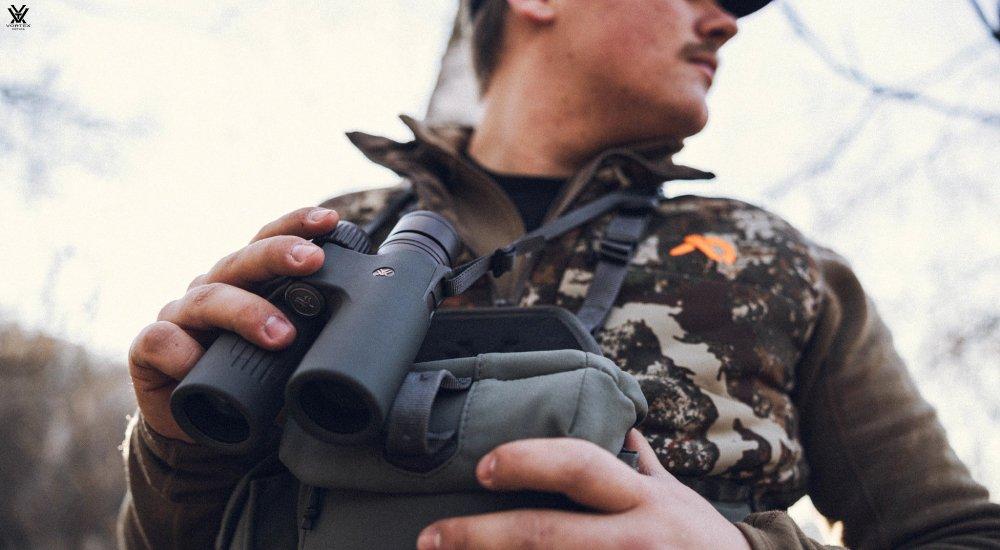
Whether you’re hunting, observing nature, or watching a sporting event, having the right pair of binoculars will give you a better viewing experience. Choosing the best binoculars depends on where and when you plan to use them. Our Optics Experts guide you through everything you need to know about buying binoculars including key features to consider so you can choose the right pair!
Types of Binoculars
Binoculars come in three main types: traditional, thermal, and night vision. Each type is designed for specific uses:
-
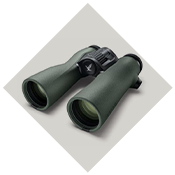
Traditional Binoculars: Perfect for daylight activities like birdwatching, hunting, and sports.
-
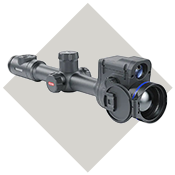
Thermal Binoculars: Detect heat signatures, making them ideal for hunting, search-and-rescue, or surveillance in any lighting condition.
-
Night Vision Binoculars: Enhance visibility in low-light or nighttime conditions, great for nighttime wildlife observation or security.
What Do the Numbers on Binoculars Mean?
When buying binoculars, you’ll notice the products use numbers within the name such as Vortex Diamondback 10x42. These numbers represent the magnification power and objective lens diameter.
-
The magnification power is represented by the first number. This number indicates how zoomed-in your view will be when using the binoculars. For 10x42 binoculars, the magnification is 10 times what it would be with the naked eye.
-
The objective lens diameter is represented by the second number. This number indicates the size of the front lenses in millimeters. The larger the objective lens diameter, the more light the lenses will capture, creating a clearer image.

Magnification Power’s Impact on Field of View
The field of view indicates the width of an area that you see when looking through binoculars, typically measured in feet at a distance of 1,000 yards. Lower magnification powers (i.e. 8x or 10x) offer a wider field of view compared to higher-powered binoculars (i.e. 12x or 15x). This makes it easier to scan landscapes or track moving objects like birds or wildlife.
Binocular Magnification Chart
For most users, an 8x to 10x binocular will provide the right amount of magnification to see their targets. If you plan on scouting targets farther away, you should choose a binocular with higher magnification, since this will give you a more zoomed-in view of far-away objects.
Our Optics Experts offer general guidelines in the chart below.
| Magnification Power | Field of View | Typical Use |
|---|---|---|
8x | Wider | General use, bird watching, hiking, sporting events |
10x | Wide | Wildlife observation, hunting, bird watching |
12x | Narrow | Long-distance viewing |
15x | Narrower | Target shooting, long-range observation |
Prism Type for Binoculars
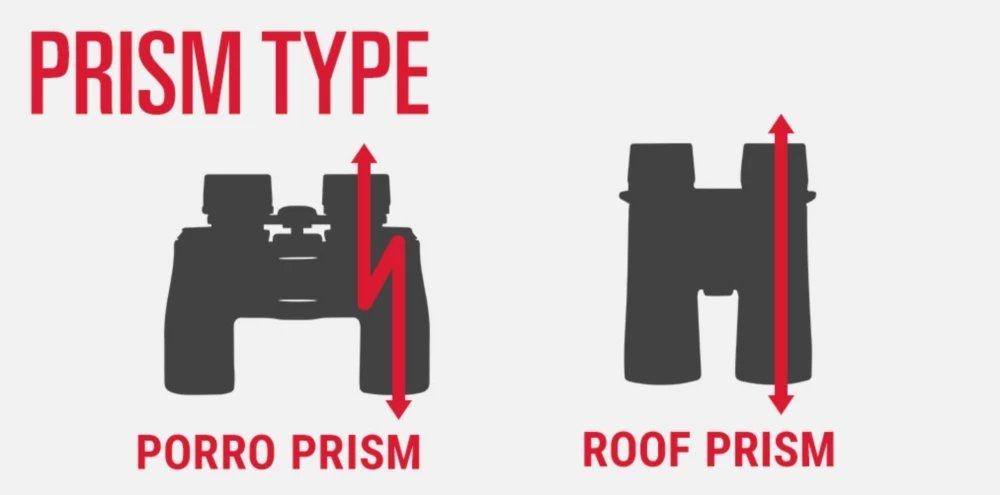
Aside from magnification power and objective lens diameter, you’ll also want to consider the prism type. Binoculars use prisms to correct the orientation of the image, so it appears right-side-up and properly aligned when viewed. There are two common types of binocular prisms: Porro prisms and roof prisms.
-
Porro prism systems use offset glass elements to quickly move light providing a clear 3D image with a wider field of view. They’re great in situations that prioritize depth perception and clarity, like sporting events or short-range scouting.
-
Roof prism systems use parallel glass elements and straight tubes to reflect light from the objective lens to the eyepiece. This design supports higher magnification and brighter images but offers a narrower field of view, making them best suited for long-range use or those looking for a compact binocular.
Additional Features to Look for When Buying Binoculars
Depending on how you plan to use your binoculars, there are a few additional features to consider.
Lens Coatings
Lens coatings are films applied to the surface of binocular lenses designed to reduce glare and reflection. This affects the amount of light transmission and contrast and helps create a vivid and clear image.
-
Single-coated lenses have a single layer applied to one lens surface and don’t add much extra illumination.
-
Fully coated lenses have a single layer applied to all lens surfaces, adding low-to-mid illumination.
-
Multi-coated lenses have multiple layers of coating applied to at least one lens surface and provide mid-to-high illumination.
-
Fully multi-coated lenses have multiple layers applied to all lens surfaces, resulting in a brighter, clearer image with the least amount of glare.
Exit Pupil
The exit pupil is the bright circle you see in the eyepiece when holding binoculars a foot away. It controls how much light enters the lenses, affecting image brightness. Larger exit pupils let in more light, making the image brighter. Use our chart below to choose the right size for your needs.
| Time of Day | Exit Pupil |
|---|---|
| Bright Light | 1.5mm and lower |
| Daylight | 2mm—3mm |
| Twilight or Early Morning | 4mm—5mm |
| Nighttime | 6mm—7mm |
Durability
-
Waterproof binoculars are completely protected from rain, dust, and other debris. They have O-rings that create a tight seal between the tube and lenses, preventing any moisture from entering the optic.
-
Weather-resistant binoculars are built to withstand light rain showers but are not suited to long-term use in harsh weather since they are not completely sealed like waterproof binoculars.
-
Fogproof binoculars are filled with a gas, usually nitrogen or argon, which prevents moisture from entering the tube. This stops condensation on the lenses, meaning your binoculars won’t fog up in most temperatures and weather conditions
Whether you’re scouting the area while hunting or taking in the scenery, having binoculars suited for your hobby will give you the best viewing experience. With a variety of high-quality brands like Vortex, Bushnell, SWAROVSKI OPTIK, and more, you’ll be able to find the best pair of binoculars to fit your needs. If you have any questions about choosing the right binoculars, contact your local SCHEELS and talk to one of our Optics Experts.