



How to Plant a Fall Food Plot
If you own land, a food plot is a great way to sustain local wildlife populations. A food plot is a small planted area with the goal of feeding wildlife in your area and commonly features leafy plants, grains, or wildflowers. Many hunters plant a food plot to ensure deer and other wildlife in the area stay healthy and don’t need to wander to find food. To help you plant a successful food plot, check out our expert advice on which crops to plant, how to prepare and plant your food plot, and how to scout the area plot for activity.
What to Plant in Your Food Plot
When to plant your food plot is often more important than what to plant. A good rule of thumb is to wait until the soil reaches at least 50 degrees Fahrenheit (usually, the daytime high temps will be around 65 degrees). If planting later in the year, it’s best to plant at least 45 days before the first frost to give your crops the best chance for growth. No matter which time of year you plant, try to put the seed in the ground a day or two before forecasted rainfall. This will help the seeds bed down and add moisture to the soil, helping jump-start growth.
To get the most out of your food plot, you’ll want to choose different seeds or plot mixes depending on the time of year you’re planting.
If you’re planting in spring or early summer, some great choices are soybeans, clover, and alfalfa, as each will provide forage throughout the summer and into fall. Clover and alfalfa are especially great on smaller plots since they’re perennial crops and don’t need to be replanted to grow back. Since there’s less area for deer to feed in a smaller plot, choosing a robust perennial crop means your food plot can stand up to greater browse pressure and last well into the fall.
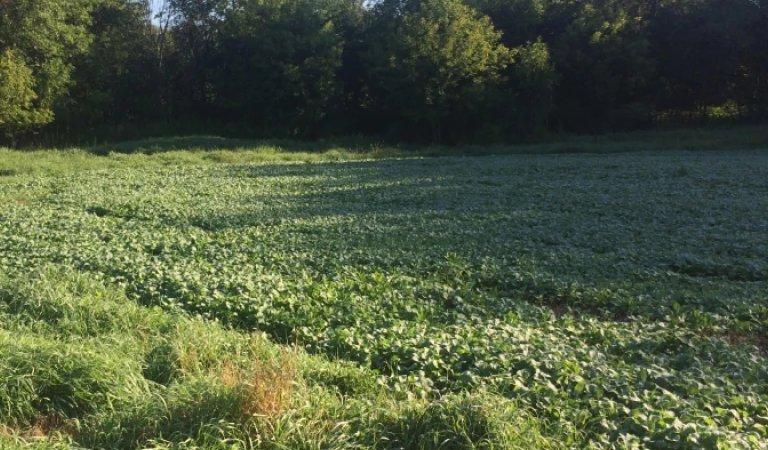
Another great option for spring and summer food plot planting is soybeans. As they develop during the summer, soybeans grow leafy branches which deer love browsing on. Once the plant starts developing bean pods later in the season, deer are likely to return again, giving you a great long-term crop.
Once late summer and early fall arrive, it’s time to plant brassica. Brassicas are a family of plants related to mustard and cabbage, including radishes, turnip, canola, and kale. It’s best to plant a mix of different brassica crops to give your plot the best chance of growing and provide different browsing options for deer. Like other food plot crops, brassicas are leafy and a great forage option for deer. Most food plot mixes include seeds for a few different brassicas, but you can also buy a variety of seeds and create your own mixes. When planted during late summer or early fall, brassicas offer great foraging to attract deer during the rut.
Tilling & Seeding the Food Plot
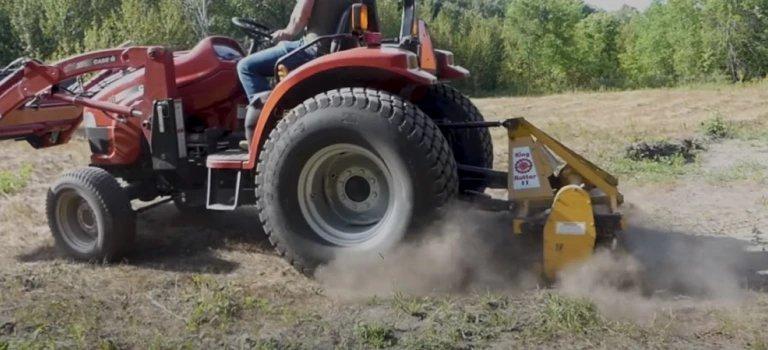
To find the best location for your food plot, look for any open areas that deer are likely to pass through. Once you’ve found an area for your food plot, clear the area if needed (you can leave one or two trees in the plot—this gives deer a scratching post). Then, mow the grass and spray for weeds about a month before you plant. After a month has passed, it’s time to begin the planting process. First, till the plot then compact it using a tiller and compactor attached to a tractor or four-wheeler. If you don’t have access to a tiller, you can also pull a drag mat behind your four-wheeler.
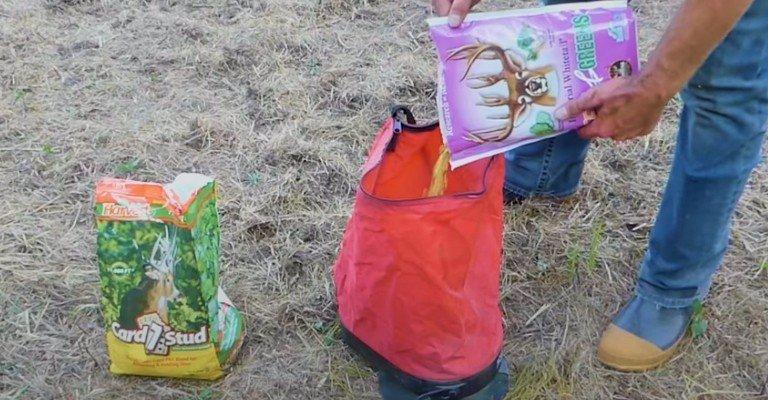
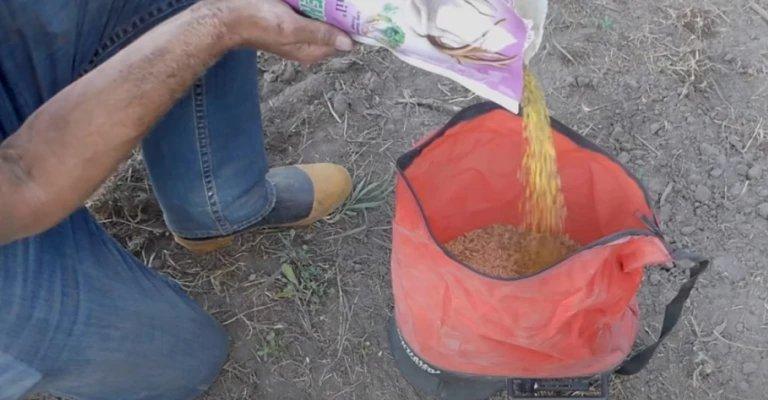
After the ground is prepped, it’s time to seed. If you're planting a smaller plot, you can spread the seed using a hand spreader. For larger plots, a pull-behind seeder helps make quick work of planting. Make sure you don’t overseed. This is especially crucial if you’re planting brassicas, as the underground bulbs need room to grow. If a lot of seeds are planted too close together, they’ll compete with each other for space and limit the yield on your plot. Most seed mixes show a recommended pound per acre: just find the acreage of the plot (the Onyx Hunt App provides a great way to find the acreage via satellite mapping) and add the right amount of seed to your spreader.
Once the seed has been spread, you can compact again going perpendicular to the way you first compacted the soil. This will help keep moisture in the ground and provide better seed-to-soil contact to promote growth. With the seed in the ground, it’s time to let nature do its part. Remember to plant a day or two before forecasted rain to jump-start growth.
Pay attention to the seeding rate on your spreader. If you aren’t sure how quickly you’ll go through seed, it’s best to start at a lower rate. You can always put more seed down, but you can’t take seed out of the ground without completely restarting your plot.
Scouting Your Food Plot
Besides planting your food plot, it’s also important to think about how you’ll hunt the food plot. Determine where deer are likely to enter the food plot. Search for any deer paths or bedding areas near the plot, or look for tree rows deer may hide in. Set up your blind on the edge of the food plot, giving enough distance that browsing deer won’t be alerted as you sit in the blind and making sure you have a good view of the food plot and any entrances.
Many hunters also place feeders in or near the food plot. This helps ensure deer always have a food source even if your crops fail to grow or the deer pick their way through the plot. A feeder is also a great way to keep wildlife coming back outside of the growing season. You can also place mineral blocks in or near the plot for some extra enticement.
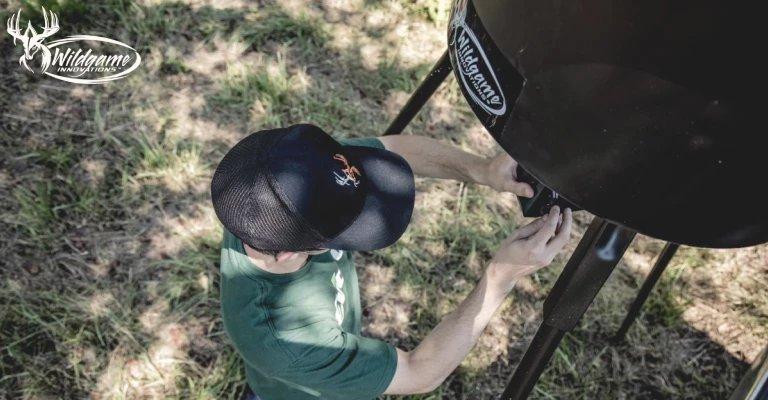
Part of your food plot setup should include a few trail cameras. When considering where to place your trail camera, look for areas deer will frequent often. Look for any game trails leading into the food plot: positioning your camera facing this trail gives a great snapshot of any deer entering the plot. If you placed a feeder or mineral block near the plot, place another trail camera facing them to scout deer who linger near these additional sources of food. Make sure the camera is on the edge of the field or relatively hidden from view: this reduces the chance of IR lights scaring deer and makes it easier to check your cameras without disturbing the area.
If you have a cellular trail camera on your food plot, you’ll be able to get images without physically checking the camera. If you placed non-cellular trail cameras, you’ll need to head to your land to pull the SD card and take a look at any pictures. When it comes to checking cameras, remember that less is more. Check your trail cameras no more than every 2 to 4 weeks—this keeps pressure to a minimum and encourages daytime deer movement.
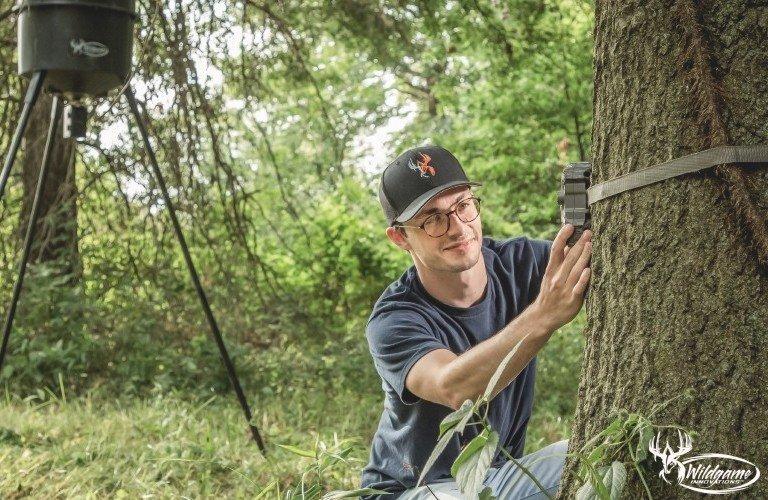
With seeds in the ground and cameras ready to scout, your food plot is all set to feed local wildlife populations. As you see deer become more active in the area, make sure to stay away from the food plot to minimize pressure. This will ensure the deer keep coming back throughout the season and beyond! If you want food plot tips tailored to your area, stop by your local SCHEELS and talk to one of our Archery or Hunting Experts!
About our Experts

Mike manages all the SCHEELS Outdoors social media accounts and hosts the SCHEELS Outdoors podcast. He has always enjoyed fishing and hunting and now gets to talk with industry pros and vendors about this passion! Mike continues to learn about the latest products and trends by researching and attending SCHEELS University training events.