



How to Choose a Crossbow: A Complete Guide
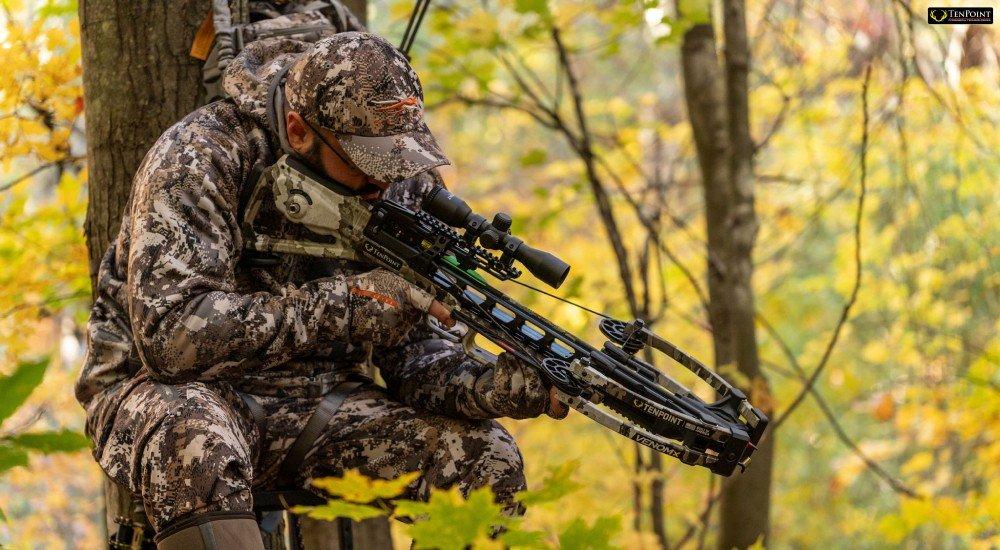
Many archers choose crossbow hunting for several reasons including increased accuracy at longer distances, easier to aim and shoot, or physical limitations. If you’re new to choosing a crossbow, our Archery Experts share the different types of crossbows and factors to consider like draw weight, arrow speed, and more so that you find the right model for your hunt.
Key Factors When Choosing a Crossbow
First, it’s important to check your local requirements when it comes to crossbow hunting as each state has different regulations. In addition to state regulations, there are several key factors to consider before choosing your crossbow.
-
Hunting Purpose: What will your crossbow hunt look like? Are you choosing to hunt mainly small or large game? Different crossbows are designed for various hunting purposes, so it’s important to keep this in mind when narrowing down your options.
-
Draw Weight: The higher the draw weight means the arrow has more speed and power, making crossbows with high draw weights better for larger game. But, a higher draw weight requires more strength to cock the crossbow, so it’s important you find one you’re able to manage comfortably. The draw weight for the average crossbow is between 90 and 260 pounds, but some models can reach up to 300 pounds.
-
Power Stroke: Power stroke, also referred to as draw length, is the distance the bowstring travels from its resting position to its fully drawn position when the crossbow is cocked. A longer power stroke generally means higher arrow speeds with more power.
-
Speed: The arrow speed of a crossbow is usually measured by feet per second or (fps), and most hunting crossbow models today can fire between 300 and 450 fps.
-
Size & Weight: Crossbows come in different sizes which affect the overall performance and efficiency. If you plan on stalking or hunting from a treestand, you’ll want a lightweight and compact crossbow to make maneuvering and carrying in the field easier.
-
Noise Level: When stealth hunting or hunting from a treestand, you don’t want to spook your game. Pay attention to features and technology that the brand implements into the crossbow to keep the operation quiet.
-
Material: A crossbow is an investment and you want it to be durable to last for several seasons all while remaining lightweight.
Crank Systems
One important feature to consider when choosing a crossbow is whether it includes a crank cocking system—and more importantly, if that system allows for safe de-cocking. While crank systems like ACUdraw and Versa-Draw make cocking easier by reducing draw weight, they do not offer a de-cocking function. On the other hand, systems such as ACUslide, VersaDrive, and ACUdraw De-Cock provide a controlled and safe way to de-cock your crossbow without firing a bolt. This can be especially useful for hunters looking to unload at the end of a hunt. If convenience, safety, and ease of use are priorities, opt for a crossbow with an integrated crank and de-cocking system.
Types of Crossbows
There are three main types of crossbows: recurve, compound, and reverse. Each offers its unique features and benefits for hunting.
Compound crossbows feature a complex design with pulleys and cables to offer high arrow speeds for increased accuracy, especially over long distances. Plus, the design of these crossbows generates greater levels of energy for more powerful shots, making them ideal when hunting large game. Another feature of compound crossbows is the compact, ergonomic design that makes them easy to carry and maneuver in small spaces like a treestand or blind.
Pros:
-
High arrow speeds
-
Consistent and accurate
-
Adjustable components for personalization
Cons:
-
Higher price point
-
A complex design can make it challenging to maintain and repair
Reverse draw crossbows have their limbs positioned in front of the riser, allowing for a longer power stroke. This design allows for more energy return to be transferred for greater speeds and power along with better balance and stability.
Pros:
-
Compact design
-
Improved stability
-
High arrow speeds
Cons:
-
Noise levels can vary from model to model
-
Newer design, meaning a more limited selection
Expert Tips for Choosing the Right Crossbow
To help you make an informed decision when choosing a crossbow, here are some additional tips from our Archery Experts:
-
Budget: Set a price range and compare models and brands within that range so that you get all the features you need within your budget.
-
Accessories: There are accessories you can add to your crossbow to complete your setup or you can purchase a crossbow package that includes everything you need. Accessories like scopes, cocking devices, broadheads, bolts, and more are essential for completing your crossbow setup.
-
Warranty: It’s important to note the length of warranty and coverage.
-
Try Before You Buy: In many of our SCHEELS locations, you’re able to try before you buy so that your setup is tuned and ready to meet your needs.
Choosing the right crossbow for your hunting needs is an important decision that involves considering various factors and understanding the pros and cons of each type of crossbow. Whether you opt for the simplicity of a recurve crossbow, the precision of a compound crossbow, or the innovative design of a reverse draw crossbow, choosing the perfect crossbow will enhance your hunting experience and increase your chances of a successful and enjoyable hunt. If you have any more questions on crossbows head into your local SCHEELS and speak with an Archery Expert!