


How to Spool a Spinning Reel
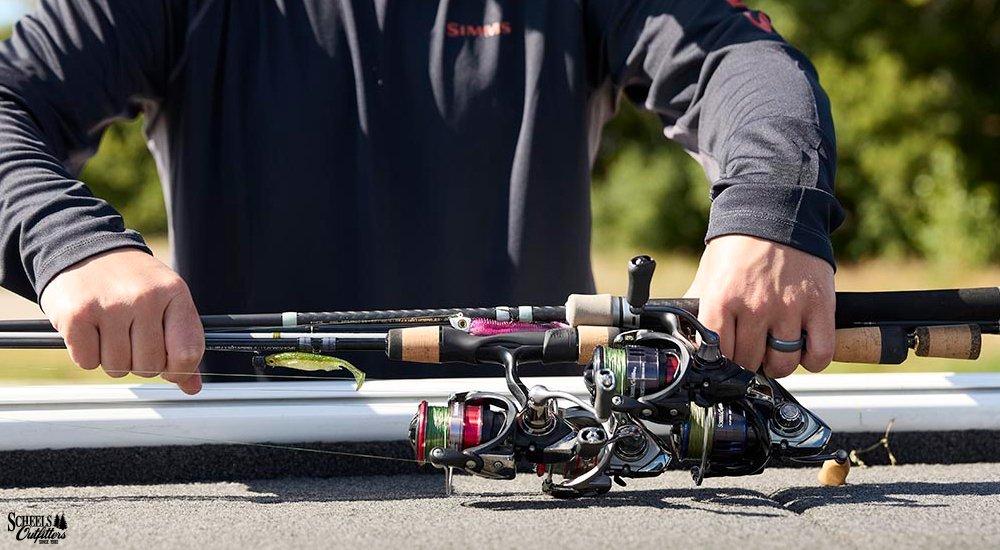
Properly spooling a spinning reel is an important skill because it influences casting distance, accuracy, and overall reel performance. If you're a beginner angler, our Fishing Experts walk you through the step-by-step process on how to spool a spinning reel.
Why Spooling a Spinning Reel Properly is Important
Without proper spooling, the line may twist and tangle, leading to frustrating situations on the water. By spooling the reel correctly, you ensure that the line lays evenly, resulting in better casting and fewer complications.
Types of Line for Spooling a Spinning Reel
Choosing the right line depends on factors such as your fishing style, target species, and personal preference. When spooling a spinning reel, there are various types of fishing lines to consider:
-
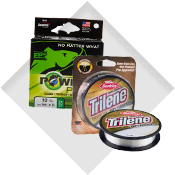
Monofilament Lines: These lines are versatile and offer good knot strength.
-
Braided Lines: These likes are known for their incredible strength and low stretch.
-
Fluorocarbon Lines: These lines have superior abrasion resistance and are virtually invisible underwater.
Expert Tip | Before spooling, immerse monofilament or fluorocarbon lines in warm water for around five minutes. This can reduce line twist and promote smoother casting and reeling in.
Step-by-Step Guide on Spooling a Spinning Reel
Spooling a spinning reel is a relatively straightforward process. Follow these steps to ensure a successful spooling experience:
-
Thread the fishing line through the rod's line guides, ensuring it passes through the center of each guide for proper alignment and casting.
-
Open the bail of the spinning reel to allow the line to move freely without obstructions. Double-check for smooth movement.
-
Secure the fishing line to the reel's spool using either an arbor knot or a uni knot for a reliable connection.
-
Apply firm, but not excessive, pressure on the fishing line with your fingers to keep it taut and avoid tangling.
-
Reel the line onto the spool, distributing it evenly across the entire surface area. Make necessary adjustments to avoid tangles or twists.
- Expert Tip | During spooling, apply light finger pressure to the line. This ensures the line winds tightly onto the spool, preventing slippage and tangles.
-
Fill the spinning reel with line, keeping it approximately an eighth of an inch below the rim of the spool to maintain casting distance and prevent jams.
-
Trim off any excess line, leaving about 1/8 inch in length. Cut at a slight angle for better adjustments and to prevent slipping or unraveling.
-
Cut the line from the filler spool and tie your preferred knot to attach your hook or lure. Now, your spinning reel is properly spooled and ready to cast!
Expert Tip | On your first outing with a new spool, cast your lure, let out most of the line, and reel in slowly. This helps ensure a twist-free, tightly wound line.
Tips on Tying Line Onto Your Spinning Reel
When tying a knot to secure the fishing line to the spinning reel's spool, consider the following:
-
Choose a knot that offers strength and reliability, such as the arbor knot or the uni knot.
-
These knots grip the spool tightly and provide a solid connection, minimizing the chances of the line slipping or breaking during casting or retrieval.
-
Take your time to learn and master these knot-tying techniques to ensure a secure attachment.
Adequately Filling Your Spinning Reel
Filling a spinning reel with the right amount of line is crucial for maximum performance. Here are some key points to consider:
-
Underfilled spool may decrease casting distance and potentially break line when targeting larger fish species.
-
Overfilled spool may cause line jamming between the spool and reel body and provoke bird's nest-like tangles.
-
Striking the right balance ensures well-managed line and optimal spinning reel functionality.