



How to Start Trapping
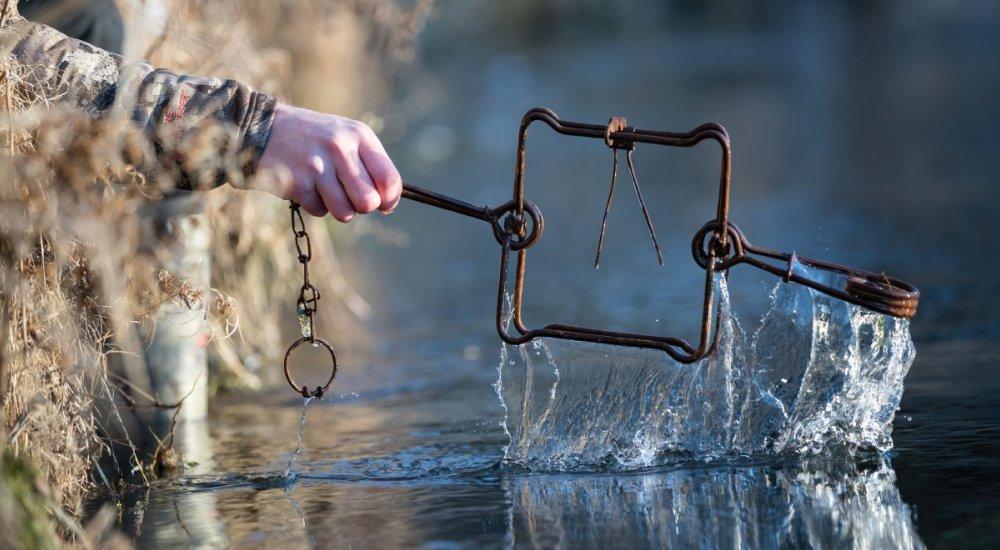
Trapping rabbits and other small animals to protect vegetable gardens might be what first comes to mind; however, trapping is much more than simply setting a trap to prevent an animal from spoiling your garden. While some people have made a career of trapping and others make it a family outing, trapping is all about the outdoors and the anticipation of the hunt. Our SCHEELS Hunting Experts explain the trapping supplies beginners need to get started.
What Is Trapping?
Trapping is the practice of using a device to catch a specific species in order to manage wildlife populations, fur production, or to obtain food. Trapping is the most highly regulated way to harvest animals and can be done using various methods.
What Are the Benefits of Trapping?
There are several benefits of trapping, one is to maintain healthy wildlife populations to keep diseases in check and reduce unwanted human or domestic animal interactions. The second benefit of trapping is to help control animal populations in order to sustain a well-balanced ecosystem.
How to Start Trapping
Trapping animals is not complex, so with little effort, those new to trapping can quickly become successful. To start trapping, our Experts suggest that beginner hunters identify the targeted animal, invest in the proper trapping supplies, and apply our trapping tips for a successful outing.
Types of Traps
Compared to other outdoor hobbies like fishing and hunting, trapping is relatively inexpensive to get started. With your targeted species in mind, you’ll want to invest in the correct type and size of the trap.
Foothold Traps
These traps simply grab the foot and hold the animal. If you’re land trapping, the animal will live, giving you the option to release it. These can be used on land or in water for a range of different animals, including muskrats, beavers, otters, foxes, and more.
Note: Please reference your state’s regulations for all restrictions.
Body Grip (Conibear) Traps
Most commonly referred to as conibear traps, these devices are designed to have the animal walk through them, causing the jaws to close tightly on the neck of the animal. These traps are effective on most species they are designed for and are deadly. While they can pose a significant risk to canines, including domestic dogs, and may incidentally catch wild canines, trappers typically use other methods as primary tools for wild canine species.
Note: Please reference your state’s regulations for all restrictions.
Snares
Like body grip traps, snares are designed for animals to walk through them. This type of trap is really lightweight and inexpensive while still being effective in trapping a range of species from rabbits to wolves.
Note: Please reference your state’s regulations for all restrictions.
Complete Your Setup
Attractant
To draw more animals closer to the set traps, trappers use attractants to trigger a desire within the animal. There are two types of attractants: bait and lure. Bait is meant to spur hunger, while a lure attractant stirs a desire for the animal to mark their territory.
Stakes / Staking System
Stakes or a staking system are necessary to hold your trap in place. The most common options you’ll find are wood stakes or rebar stakes.
Hammer
To secure the stakes, you’ll want a hammer with you. There are specific hammers for trapping that can double as a shovel to dig trap beds or dirt holes.
Shovel or Trowel
If you don’t invest in a trapper’s hammer, you’ll also want a small shovel to make digging the trap bed or hole easier and faster.
Today, trapping equipment features improved designs and manufacturing processes making them more efficient and human than ever before. If you’re interested in learning more about how to start trapping, call or stop into your local SCHEELS to speak with a Hunting Expert.